


Monterey County The Monterey Vineyard 1987
- Fast delivery
- 4.7 on Trustpilot
- 60-day returns

We take the quality of our wines very seriously, which is why all wines are reviewed when they arrive at our warehouse.
Quality check
We perform quality checks on all wines, examining the label, cork and seal, as well as the condition of the wine. This way we create the best conditions for the wine to still be good and drinkable.
Authenticity test
We work with skilled and trustworthy suppliers, and we perform authenticity tests on the wines when they arrive at our warehouse. Here we review the seal, label, bottle number and much more, so that we ensure that the wine is genuine.
We take our guide and service very seriously. When you order wine from us, you will receive a QR code with a link to everything you need to know about treating older wines. You can read more right here .
We select the wines based on strict quality requirements.
The wines must be from quality producers, stored according to all the rules of the art, and pass our final quality assurance when the wine arrives at our warehouse.
This ensures that we can offer a unique product where the probability of a unique experience is very good.
Read more about what to expect
Delivery: We ship orders every weekday.
Delivery time and price:
- Denmark: 1-2 days (39-49 DKK)
- Sweden: 2-3 days (150 SEK)
- Finland: 2-3 days (15 EUR)
- Germany: 2-3 days (15 EUR)
- Netherlands: 2-4 days (15 EUR)
- Generally for EU countries: 2-5 days (15-25 EUR)
NOTE: There may be 1-2 days longer delivery time in remote areas.
Returns: You always have a 60-day right of return.
Monterey County The Monterey Vineyard 1987
The 1987 Classic Chardonnay from The Monterey Vineyard is a white wine produced in California, bottled at 12.5 percent alcohol. Under the guidance of Winemaster Cary Gott, the estate utilizes the diverse microclimates of the region to source the grapes for each vintage. The winemaking process for this release involved traditional techniques, with 20 percent of the Chardonnay fermented directly in small French oak barrels, while another 56 percent was aged in the same type of oak casks.
Chardonnay is one of the most globally recognized green grape varieties and is widely planted in prominent wine regions such as Burgundy, Champagne, and California. In the United States, California stands as the most significant wine-producing state, responsible for over 80 percent of the country's total production. The state's viticultural landscape stretches over 1,300 kilometers along the Pacific coast, characterized by cool ocean winds and morning fog that create significant diurnal temperature shifts.
Located on California's Central Coast, Monterey County encompasses the Salinas Valley, which is framed by the Santa Lucia and Gabilan mountain ranges. The area's climate is heavily influenced by the Pacific Ocean and the deep submarine canyon in Monterey Bay. This geography creates a funnel effect, drawing cold marine air and fog deep into the valley. The resulting microclimate features substantial temperature variations, with the northern coastal zones remaining particularly cool. These northern areas, with their long growing season and morning fogs, are highly suited for cultivating Chardonnay, making it the most planted grape variety in the county. The vines benefit from varied, well-draining soils that range from sandy loam and gravel to limestone and alluvial deposits.
The history of the wine
Below, you can delve into the history of this wine — its producer, grape, area, and region.
California
California is the United States' most important wine-producing state, accounting for over 80 percent of the country's total wine production. The area extends more than 1,300 kilometres along the Pacific coast from Mendocino in the north to San Diego in the south and contains 149 officially recognised AVAs spread across four main regions: North Coast (Napa, Sonoma, Mendocino), Central Coast (Monterey, Paso Robles, Santa Barbara), Central Valley (Lodi, Madera) and South Coast.
The climate is dominated by cool sea winds and morning fog from the Pacific, which give marked diurnal temperature swings and extended ripening. The soils are highly varied, ranging from volcanic and alluvial types to limestone and slate. The main varieties include Chardonnay, Cabernet Sauvignon, Pinot Noir, Merlot, Zinfandel and Sauvignon Blanc. The style ranges widely from slender, acid-driven Pinot Noir and Chardonnay from cool coastal AVAs to full-bodied, fruit-driven Cabernet Sauvignon and Zinfandel from warmer inland regions. The area is known as one of the world's most diverse and quality-focused wine landscapes.
When this wine was made, the world looked very different. Here are some of the stories that unfolded while this bottle quietly aged in its cellar.
You are in safe hands

100% authentic bottles
All bottles undergo a thorough authenticity test by our certified sommeliers before being offered for sale. We reject bottles we are unsure about.

Thorough quality check
Cork, capsule, fill level, label condition, and provenance are individually documented for each bottle. A physical certificate is included with every purchase.

60-day return policy
We are confident in the quality of our wines, and you as a buyer should be too. Return any unopened bottle within 60 days for a full refund — no questions asked.

4.7 on Trustpilot
277 customers have shared their experience. From the first email to the bottle arriving safely – we take pride in making a difference from start to finish.
How it handles
you your wine

Storage
Store the bottle horizontally at 12–14°C and avoid direct sunlight, vibrations, and temperature fluctuations.

Opening
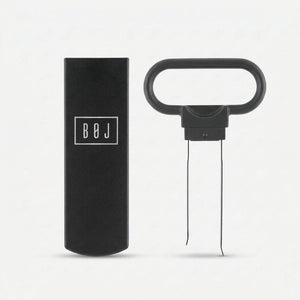
Allow the bottle to stand upright for 24–48 hours before opening to allow sediment to settle. Use a professional corkscrew and open carefully.

Enjoyment
Serve at 17–18°C and be patient – there is a great difference in how and how quickly wines open up when they are aerated.
GUIDE TO THE GOOD WINE EXPERIENCE
We will help you throughout the journey. Here you can read our guide on how to treat the wine. If you have any questions, you are always welcome to write or call us.
Our customers say it best!
Based on 247 reviews
