


Wine 1968
34 products


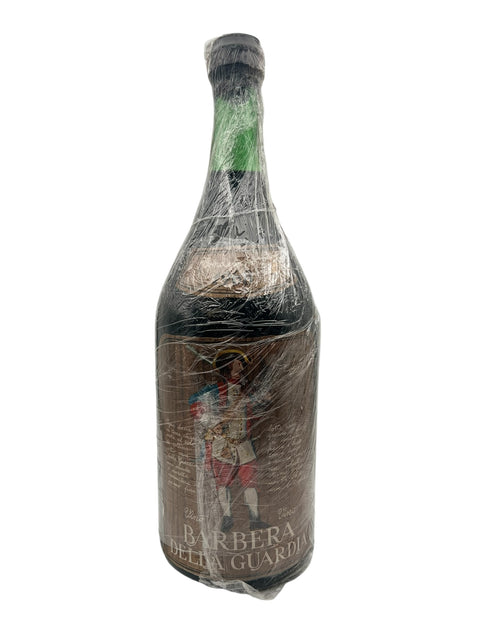


Different types of wine from 1968 in our range
When exploring a wine 1968, or comparing with our selection of wine from 1958, you will quickly discover that the Italian wine regions stand out particularly clearly with bottles that possess a remarkable ability to mature. We move through the classic areas where the character of the wines was then shaped in a field of tension between proud traditions and new, forward-looking methods.
Classics from Piedmont and Tuscany
In this vintage, Piedmont and Tuscany remain as two of the most significant regions. In Piedmont, the weather created perfect conditions for the Nebbiolo grape, giving life to long-lived and structured red wines such as Barolo, Barbaresco and Gattinara. By nature, these wines are equipped with firm tannins and good acidity, which over the decades have transformed into deep, complex and beautifully garnet-red drops.
At the same time, the year marked an exciting turning point in Tuscany, where modern Tuscan wine production really began to take shape. Here the producers took the first steps towards experimenting with new grape varieties and maturing in French oak barrels. This resulted in the creation of bottles that we recognize today as iconic milestones in the region's history.
The choice between red wine and white wine from 1968
The vintage is particularly remembered for its red wines, which filled the majority of the production and won great acclaim for their ability to develop beautifully over many decades. Finding a white wine from this year, on the other hand, is an unusual sight. Many regions put their full focus on the blue grapes, and the classic dry white wines from that time often do not have the same ability to mature over time.
Among the sweet wines, however, we find some quite notable exceptions. The Tuscan dessert wine Vin Santo, which is primarily based on Trebbiano grapes, is a classic example. Through a slow and calm maturation, these golden drops have been allowed to develop rich, complex notes of nuts and caramel, making them an exciting and different choice to red wine.
The condition of the bottles and optimal storage
When a wine must retain its finest qualities for more than 50 years, it places strict demands on the surroundings. To prevent the cork from drying out and allowing unwanted oxygen to enter the bottle, the wine requires a stable temperature of approximately 13 degrees and a relative humidity of between 60 and 70 percent.
The surroundings must also be completely dark, and the bottles must lie horizontally without being exposed to vibrations, so that the natural sediment is allowed to rest undisturbed. The fact that the bottles here present themselves in particularly well-preserved condition, most often in the category A to A+, is solely due to the fact that these specific climate requirements have been followed with great consistency throughout the wine's long life.
Therefore, a wine 1968 is the perfect personal gift
It can often require a little extra consideration to find a gift that really hits the spot for a special event, but a historic vintage wine contains a very special story. It's a thoughtful and personal gesture that differs markedly from the more traditional choices and leaves the recipient with a lasting memory, and if you prefer a different vintage, you can find a wine from 1978 in our assortment.
- You get an obvious reason to celebrate a very specific year, whether it is a year of birth or a big anniversary.
- Each bottle hides a long and fascinating story that traces back directly to the decade in which the grapes were harvested.
- The gift gives the recipient a very special taste experience, which has quietly developed and matured over more than half a century.
- The choice of an older vintage shows real consideration and personal effort, as these bottles are historical collectibles that require care to locate.
- The wine acts as a fantastic starting point for good conversations when enjoyed in a quiet company with family and close friends.
This is how you receive and serve an older vintage wine
Enjoying a wine with more than 50 years behind it requires a bit of care if you want to ensure the most harmonious taste experience. From the moment the bottle arrives at your place until you pour the first drops into the glass, there are some important steps that protect both the delicate wine and its natural sediment.
- Reception and rest time: As soon as the wine is delivered, you should let it rest in a dark and cool place at around 13 degrees. It is absolutely essential to the experience that the bottle is allowed to stand upright for at least 24 to 48 hours. In this way, the fine sediment that has formed over the decades can calmly settle on the bottom of the bottle.
- Inspection and opening: Before you enjoy the wine, you can advantageously assess its condition by looking at the shrinkage in the neck and looking at the cork. A cork from 1968 will quite naturally be fragile and porous, and therefore it is recommended to use a two-legged corkscrew. It gently lifts the cork without the cork crumbling into the wine.
- Decanting with light: When the wine needs to be separated from its sediment, you should decant it calmly in a single, sliding motion. It helps to place a small light source under the neck of the bottle while pouring. As soon as you can see the dark sediment approaching the opening, simply stop pouring.
- Temperature and serving: Older red wines from this period unfold best when slightly chilled to between 15 and 18 degrees, rather than a warmer modern room temperature. The decanting itself should ideally take place just 30 to 60 minutes before serving. In this way, you preserve the fine, historical aromas in the best possible way.


