


Wine 2009
28 products


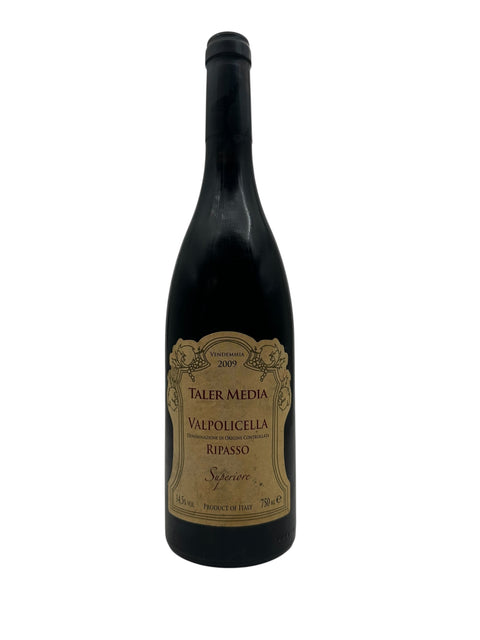


What makes wine from 2009 special?
In many of the world's classic wine regions, 2009 stands as a remarkable year. If you want to delve into a 2009 wine, you will experience a vintage that is generally known for its great maturity, its richness and a very welcoming nature, which differs markedly from other vintages of the decade.
French wines from 2009
The French weather in 2009 was hot, dry and sunny. The warm days brought fantastic ripeness to the grapes, while the nights fortunately brought a much-needed drop in temperature. These cool nights were crucial, as they helped the vines retain the acidity in the grapes, so that the wine ultimately did not feel too heavy or overdone.
In famous regions such as Bordeaux, Burgundy and Rhône, this ideal climate produced wines with a high fruit concentration, generous alcohol and an almost opulent body. Especially when looking at the red Bordeaux wines from this year, you will notice the deep color, the intense dark fruit notes and the silky tannins, which today provide an incredibly harmonious and tasty experience.
Compared to the following year, 2010, the French 2009 wines are much more open and inviting early in their life, without compromising their long-term cellaring potential. The soft, well-integrated tannins make the wine delightful to drink immediately, while slowly unfolding layers of complexity over time.
Italian wines from 2009
Traveling to Italy, the 2009 growing season was marked by an unusually hot and dry August, which caused the grapes to ripen quickly. Fortunately, the soil had absorbed solid water reserves after a snowy winter and a rainy spring, so the vines weathered the late summer drought without suffering too much stress.
This climate produced a vintage that was generally driven by fruit, softness and approachability. In classic regions like Tuscany and Piedmont, the high temperatures created wines characterized by ripe red fruit and rounded tannins. These wines are typically intended to be enjoyed a little earlier than the more structured and tannic vintages like 2006 and 2010.
The fields located high in the Italian landscape performed particularly well in 2009, as the altitude gave the wine a bit more acidity and freshness. The result is well-balanced wines that today appear open, elegant and ready to be poured for those seeking a harmonious and mature Italian wine experience. For those who want to explore past treasures, our wine from 1999 can also offer a rich and complex tasting experience.
Characteristics of our wine 2009
At Bottles With History, we have carefully curated our 2009 bottles to give you a representative and quality-conscious experience of the vintage. We always make sure to treat the wines with the utmost respect, so that each bottle retains its inherent qualities and unique expression of origin.
- Complete maturity: The wines from this year have now reached a stage where many of them beautifully showcase their full aromatic potential and complex developmental notes.
- Optimal storage: To ensure a stable and gentle maturation process, all bottles in the collection have been stored under temperature and humidity controlled conditions.
- Wide geographical selection: The range covers recognized European regions, so you have ample opportunity to experience the different nuances of the vintage.
- Quality-assured condition: We have carefully assessed the overall condition of the bottles, including stopper and filling level (ullage), to guarantee an excellent experience.
- Authentic history: Every bottle carries its own unique story from the harvest year to the present day, ready to be enjoyed on a special occasion.
How to prepare and serve older vintages
To get the maximum enjoyment out of an older bottle of wine, it is essential to handle it with great care. Proper preparation and serving ensures that the wine's complex bouquet and delicate structure emerge clearly and cleanly in the glass.
- Preparation and resting before opening: Leave the bottle fully upright for 12 to 24 hours before serving. This resting period ensures that the natural sediment, which often occurs in older red wines, slowly sinks to the bottom of the bottle, so it does not swirl up during pouring.
- Gentle decanting: When decanting wine, it is recommended to place a dim light source under the neck of the bottle. Pour the wine slowly and in one smooth motion into a carafe. The light source makes it possible to stop the pouring at the precise moment the sediment approaches the opening.
- Short-term oxygenation: Older vintages are significantly more fragile to oxygen than young wines. It is often sufficient to let the wine oxygenate for 10 to 30 minutes, or simply let it open directly in the wine glass. Too much oxygen can quickly cause the delicate and complex aromas to disappear.
- Optimal serving temperature: To bring out the fine nuances in ripe, full-bodied red wines, they should be served at 16 to 18 degrees. A modern, warm room temperature will often make the wine appear unfocused and too dominated by alcohol, while a slightly chilled temperature brings together and balances the flavors. If you want to try an older gem, consider a wine from 1989 to truly experience its depth and complexity.


