Michelin Guide Bordeaux 2026
For the first time, the MICHELIN Guide has created its Bordeaux Selection: 83 selected estates, judged by the same uncompromising standard as the Guide's restaurants and awarded one, two or three grapes. From the gravel of the Médoc to the limestone plateau of Saint-Émilion.
This collection holds our bottles from the distinguished houses — mature vintages from Haut-Brion, Mouton Rothschild, Cos d'Estournel and Lynch-Bages, alongside the estates' second wines from the same vineyards and hands.
In 2026, the MICHELIN Guide released its first official Bordeaux Selection: 83 hand-picked wine estates across the Médoc, Saint-Émilion, Pomerol, Pessac-Léognan, Sauternes and Barsac, judged by the same uncompromising standard as the Guide's restaurants. Estates are awarded one, two or three grapes — the Guide's new distinction for wine producers — while the most reliable addresses are recognised as "Selected". Here you will find our vintage wines from the distinguished châteaux: every bottle cellared, inspected and ready to be opened.
Bordeaux wines from MICHELIN-distinguished châteaux
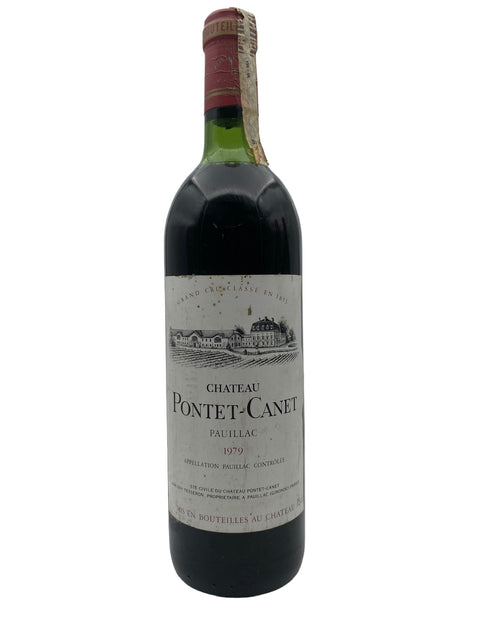
The collection ranges from the legendary First Growth Château Haut-Brion 1985 — the only estate to be both a Premier Cru of the 1855 classification and a Cru Classé de Graves — via Mouton Rothschild 1972 with its artist label by Serge Poliakoff, to the biodynamic pioneer Château Pontet-Canet and Saint-Émilion's limestone-plateau master Troplong Mondot. All four carry the MICHELIN Guide's two grapes distinction.
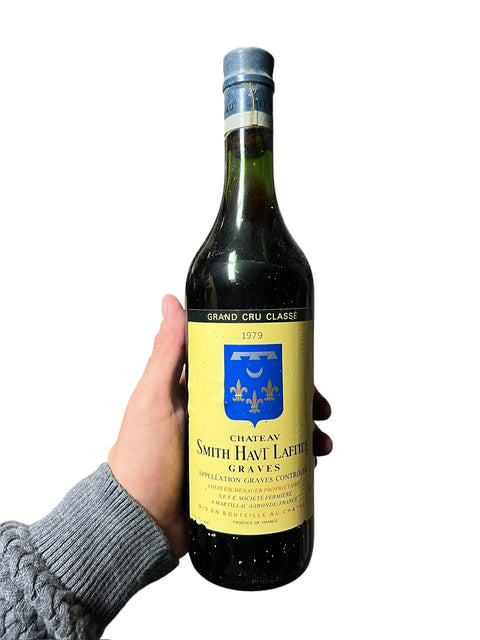
Among the one grape estates you will find Saint-Estèphe's striking Cos d'Estournel and Haut-Marbuzet, Pauillac's Cabernet-driven Lynch-Bages, Pessac-Léognan's Smith Haut Lafitte and Château de Fieuzal, alongside the Right Bank's Canon La Gaffelière, Château Soutard and Château Beauséjour from Saint-Émilion Grand Cru. From Sauternes and Barsac the collection holds the rare Château Closiot — a sweet dessert wine of Sémillon and Sauvignon Blanc.
The Guide's "Selected" category is richly represented with Saint-Julien's classics Château Gruaud Larose, Château Talbot and Château Beychevelle, Saint-Estèphe's Château Lafon-Rochet, and the Pauillac estates Château Pédesclaux and Château Duhart-Milon — the latter under the same ownership as Lafite Rothschild.
Left Bank and Right Bank — two expressions of Bordeaux
The Left Bank appellations — Pauillac, Saint-Estèphe, Saint-Julien, Margaux and Pessac-Léognan — rest on deep gravel banks where Cabernet Sauvignon dominates the blend, supported by Merlot, Cabernet Franc and Petit Verdot. The result is structured, long-lived red wines with notes of blackcurrant, cedar, tobacco and graphite, many classified as Grand Cru Classé in the historic 1855 classification.
The Right Bank — Saint-Émilion and Pomerol — is built on limestone and clay, where Merlot and Cabernet Franc create silky, deep wines with dark fruit, truffle and leather. Mature vintages from here are among Bordeaux's most approachable: soft tannins, concentration and an aromatic complexity that only decades in bottle can give.
A wine gift with history — birth years, anniversaries and milestones
A vintage wine from a MICHELIN-distinguished château is more than a bottle — it is a memory from a particular year that they can open and taste. Our Bordeaux vintages span from 1959 to 2014 and cover milestone birthdays, wedding anniversaries, company jubilees and other special occasions: a birth-year wine from 1976 for a 50th birthday, an anniversary wine from 1988, or a mature Grand Cru Classé from the great 1982 vintage.
The collection holds both the great grands vins and the estates' second wines — Pavillon Rouge du Château Margaux, Réserve de la Comtesse from Pichon Comtesse, Les Tourelles de Longueville from Pichon Baron and Château de Marbuzet from Cos d'Estournel. A second wine is made from the same vineyards and by the same hands as the grand vin, and is a natural way into the great houses.
Cellared, inspected and delivered with care
Every bottle in our cellar is assessed on fill level, label and provenance, and our wines are delivered in protective packaging, ready to be passed on. The assortment is unique: most bottles exist in one copy or a few. Once sold, it is gone.