


Wine 2010
27 products


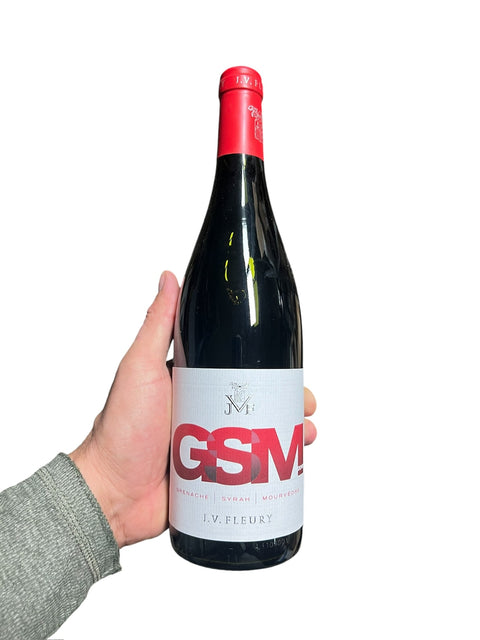

Tasting experiences with a classic 2010 wine
When you pour a glass of wine from this year, you experience a true reference year that has produced bottles of an incredibly high standard across borders. The specific conditions of the vintage formed a beautiful foundation for balance and concentration. Today, this patience rewards you with a deep and memorable tasting experience.
The influence of weather on the vintage
The weather, as always, played a decisive role, and the year was marked by exciting climatic contrasts. In large parts of Europe, a warm and predominantly dry growing season was experienced, but with cool nights. This gave the grapes the opportunity to ripen slowly and steadily. This combination ensured a high natural acidity and at the same time built up a strong and robust tannin structure in the wine.
In other parts of the world, such as certain valleys in North America, the season was unusually cool and wet. Here, the long growing season was interrupted by short, intense heat waves in late summer. This created challenges for winegrowers and required extremely careful sorting of the grapes so that only the best fruit made it into the final wines.
Development of flavor notes over time
After resting in the bottle for more than a decade, the wines have undergone a beautiful transformation. The tannins, which were initially strong and tight, have now had time to soften. Today they present themselves with a velvety and slightly chalky texture, while the high acidity still acts as a solid backbone. This gives you a wine that appears fresh and lively in the glass rather than heavy.
The aromas have similarly moved from the fresh fruit of youth to a much more complex spectrum of scents. A well-aged red wine from this year often offers an intense core of dark berries, such as blackcurrant and blackberry. This harmonizes elegantly with mature notes of cedar, graphite, cigar box and forest floor. The transition to these older, tertiary nuances provides a fascinating and intellectual wine experience.
Prominent wine regions from 2010
Several classic wine regions in Europe produced historically strong results for wines from 2010. In France, Bordeaux impressed with wines of enormous concentration and an incredibly classic structure. The vineyards on the Left Bank in particular have achieved almost legendary status. At the same time, the Rhône and Burgundy delivered wines with enormous precision, aromatic depth and an exceptional shelf life.
In Italy, Piedmont is left with what are now considered modern classics. The area's long and slightly cool growing season provided the optimal framework for creating Barolo wines with a crystal-clear purity, a supple acidity and massive aging potential. Common to these prominent regions is their ability to unite the inherent power of the vintage with a very dressy elegance.
That's why a 2010 wine is a fantastic choice
Whether you plan to open the bottle for an upcoming dinner or you want to store it further, this vintage holds many qualities. It was a technically superior year, which carries very special characteristics compared to both older and younger wines such as those from the year 2000 .
- Many of the beautiful red wines from this year are entering their ideal drinking window, where a beautiful balance is created between the fruit of youth and the maturity of the adult wine.
- The vintage is characterized by a classic structure with a high level of acidity and dense tannins. This creates a neat and highly refined experience rather than a wine with heavy sweetness.
- A naturally high content of phenols and a lower pH value act as antioxidants for the wine. It is precisely these elements that ensure the bottles their enormous aging potential.
- The intense concentration of the grapes has created wines with impressive color stability. Even with age, the wine retains its deep, visual appearance in the glass.
- The many years of calm in the bottle have allowed complex, salty and earthy aromas to blossom. This results in an incredibly multifaceted wine experience that continues to surprise with the wine's development, comparable to wine from the year 2006 .
Safe path from our cellar to your glass
At Bottles With History, we know that historic and mature wines require special knowledge and a great deal of respect. To ensure your experience with these bottles is exactly as memorable as you expect, we have strict, meticulous procedures for how the wine is stored and handled – from the moment it lands with us until it is ready for your dinner table.
- Climate-controlled storage: Our bottles rest under constant and optimal conditions in terms of both temperature and humidity. This is essential to preserve the delicate nuances and allow the aging process to develop in harmony.
- Quality check and history: Before a wine even becomes part of our collection, we conduct a thorough assessment. We check that the condition of the bottle is correct, so we can guarantee you a wine that fully meets your expectations.
- Safe packaging: Mature bottles often have more sensitive corks and a fine, natural sediment. That's why we make sure to pack your order in specially developed packaging that effectively protects against shocks and vibrations during transport.
- Fast delivery: We offer same-day delivery to reduce the time your wine spends on the road. This reduces temperature fluctuations so your bottle arrives safe and sound, ready to rest before decanting and enjoying.


