


Bergerac wine
5 products

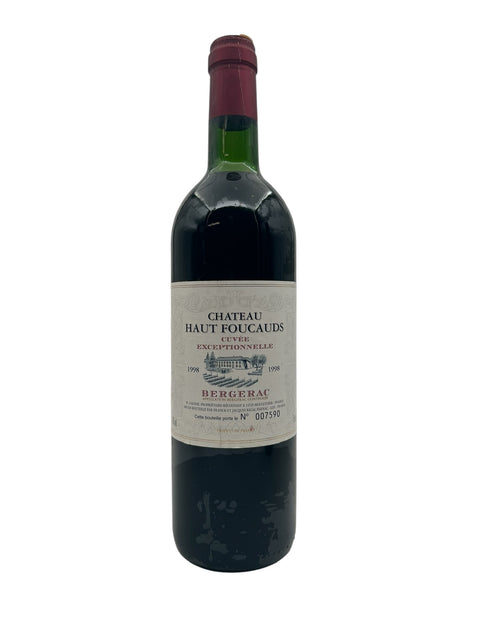


Classic Bergerac wine with history
The production of **Bergerac wine** has its roots in Roman times in the first century, when the first vines were planted along the Dordogne River. During the Middle Ages, monastic orders played a crucial role in refining the cultivation, and the region benefited from a lively trade with England, where the wines were popular at court. Despite its geographical location close to Bordeaux, **Bergerac** has historically had to struggle for recognition, partly due to trade restrictions imposed by the powerful merchants of Bordeaux.
The region's history as a Protestant hub in the 16th and 17th centuries opened up new trade routes to the Netherlands and Scandinavia, helping to spread the word about the wines. Today, the area is recognised for its long tradition and quality, officially cemented with the creation of the AOC system in 1936. So when you buy a mature bottle from this region, you're not just getting a tasty wine, but also a piece of cultural history that has survived centuries of development.
The flavor profile of wines from Bergerac
Bergerac is known for its great diversity in wine styles, due to the varied soil conditions and the special microclimate along the river. The region produces everything from robust red wines to elegant dry white wines and world-famous sweet wines. What they all have in common is a classic French structure that offers great potential for development over time.
The red wines and their character
The red wines are typically based on grape varieties such as Merlot, Cabernet Sauvignon, Cabernet Franc and Malbec. In their youth they are often fruit-driven with notes of berries, but the more serious wines, such as those from Côtes de Bergerac, are created with the intention of aging. With age, these wines develop complex aromas of tobacco, leather, spices and dark fruit, while the tannins soften and give a silky texture.
Dry and sweet white wines
On the white wine side, the selection ranges from crisp, dry wines with notes of citrus and gooseberries to the iconic sweet wines from areas like Monbazillac. The sweet wines are made from grapes affected by noble rot (botrytis), which concentrates the sugar and creates deep flavor notes of honey, apricot and candied fruit. These wines have enormous aging potential and can develop positively for decades.
The similarities with Bordeaux
It is inevitable to compare **Bergerac** to its neighbor Bordeaux, as the two regions share many of the same grape varieties and climatic conditions. Many wine lovers consider the area a "little brother," stylistically very similar to Bordeaux's right bank wines, but often at a more accessible price. This similarity makes the region's mature wines an attractive choice for those seeking the classic flavor profile of aged French wine.
Food that matches Bergerac
The gastronomic potential of wines from **Bergerac** is great, and they lend themselves perfectly to classic cuisine. Especially when the wine has aged and developed tertiary notes, it requires food that can match its depth and complexity. Here are some obvious pairings:
- Red meat and lamb: The structured red wines go hand in hand with roasted lamb or beef, where the protein softens the wine's tannins.
- Duck and game: The region's local specialties such as confit de canard or roasted duck breast are ideal partners for the mature red wines.
- Mushrooms and truffles: The earthy notes of an older wine harmonize beautifully with mushroom dishes or sauces with truffle.
- Blue cheese and foie gras: The sweet wines, especially from Monbazillac, create a classic contrast to the salty roquefort or the fattiness of foie gras.
- Goat cheese and fish: Dry white wines work great with fresh salads with warm goat cheese or light fish dishes.
Why choose a mature vintage?
Choosing a wine that is 20 to 60 years old is a completely different experience than drinking a young wine. During the aging process, a chemical evolution occurs, where the tannins soften and the fresh fruit notes transform into deeper layers of dried fruit, leather, forest floor and spices. This maturation creates a harmony and balance in the wine, giving it a silky mouthfeel and a complexity that can only be achieved through the patient work of time.
Checklist for buying vintage wine
When buying historic wines, there are certain physical signs that indicate the condition and quality of the bottle. At Bottles With History, we always examine the bottles carefully, but as a buyer, it's nice to know what to look for to ensure a good experience.
- Bottle Head (Ullage): The amount of wine in the bottle naturally decreases over time through evaporation through the cork. A head that is in the middle of the shoulder of the bottle is normal and acceptable for wines over 30-40 years old.
- The color: As red wine ages, it changes color from deep red to brick red or brownish hues at the rim. This is a sign of health for a mature wine, as long as the wine appears clear and not cloudy.
- The label and the cork: An older label may show signs of moisture from a good wine cellar, which is often a positive sign of proper storage. The cork should sit flush with the mouth of the bottle and not be significantly sunken or pushed up.
Safety and delivery at Bottles With History
We know that old and fragile bottles require extra care during transport. That's why we always pack your wine in special packaging that protects against shocks and temperature fluctuations, so that the wine arrives in the same condition as it left our warehouse. With a high customer satisfaction and same-day delivery, you can safely order your historic wines from us, knowing that we take care of the entire process from order to delivery.


