Cru wine

Explore our range of cru wines, where each bottle tells a unique story. Here you will find wines that have benefited from optimal maturation conditions, giving them the depth and complexity that only the test of time can bring. Whether the occasion is a major anniversary or an expansion of the collection, we offer vintage wines with clear provenance and character.

241 bottles
Saint-Aubin · Burgundy · France
1994
Saint Aubin Hubert Lamy 1994 1er Cru Les Frionnes
Domaine Hubert LamyOnly 3 left
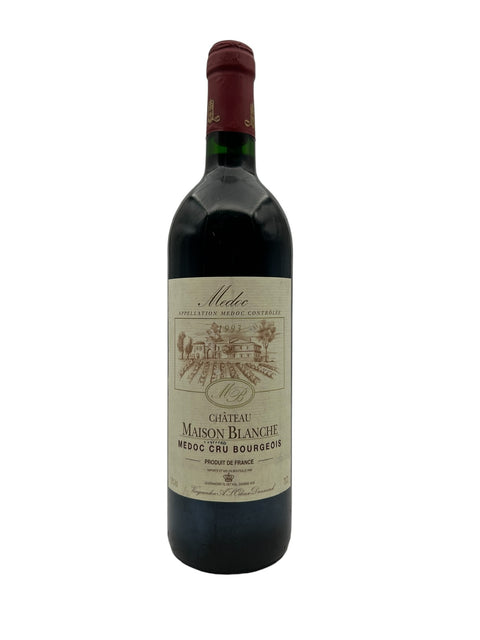
Médoc · Bordeaux · France
1993
Château Maison Blanche Médoc Cru Bourgeois 1993
Château Maison Blanche
Margaux · Bordeaux · France
2004
Margaux Château Prieuré-Lichine 2004 Grand Cru Classé
Château Prieuré-LichineOnly 1 left
Haut Médoc · Bordeaux · France
1997
Bordeaux 1997 Gran Cru Classé Chateau Cantemerle
Château CantemerleOnly 3 left
Saint Émilion · Bordeaux · France
1982
Chateau Troplong Mondot 1982 Grand Cru Classé
Chateau Troplong MondotOnly 1 left
Saint Émilion · Bordeaux · France
1986
Saint Émilion Grand Cru Château Guillemin La Gaffelière 1986 1,5 L Magnum
Château Guillemin La Gaffelière
Saint Julien · Bordeaux · France
1988
Gruaud Larose Château 1988 Grand Cru Classé
Château Gruaud LaroseOnly 5 left
Pauillac · Bordeaux · France
1989
Château Batailley Pauillac 1989 Grand Cru Classè
Château BatailleyOnly 6 left
Médoc · Bordeaux · France
1989
Médoc Cru Bourgeois Château Blaignan 1989
Château BlaignanOnly 5 left
Médoc · Bordeaux · France
1994
Médoc Cru Bourgeois Château Pey de Pont 1994
Château Pey de PontOnly 1 left
Chablis · Burgundy · France
1991
Chablis 1er Cru Vaucoupins from Quinson Fils 1991
Quinson FilsOnly 1 left
Saint Émilion · Bordeaux · France
1993
Clos des Menuts 1993 Saint-Emilion Gran Cru
Bottles With HistoryOnly 1 left
Pauillac · Bordeaux · France
1997
Bordeaux 1997 Chateau Croizet-Bages Pauillac Gran Cru Classé
Bottles With HistoryOnly 2 left
Haut Médoc · Bordeaux · France
1989
Haut Médoc Cru Bourgeois Château Lafite Canteloup 1989
Château Lafite Canteloup
Beaune · Burgundy · France
1999
Beaune Marconnets Albert Morot 1999 1 Cru
Albert MorotOnly 2 left
Saint Émilion · Bordeaux
1991
Grand Cru Classé 1991 Trotte Vieille
UnknownOnly 4 left
Gevrey Chambertin · Burgundy · France
1992
Gevrey-Chambertin François Martenot 1992 Prer Cru
François MartenotOnly 1 left
Saint Julien · Bordeaux · France
1983
Château Gruaud Larose 1983 Gran Cru Classé Cordier
Château Gruaud LaroseOnly 2 left
Pauillac · Bordeaux · France
1959
Château Pedesclaux 1959 Pauillac Gran Cru Classé
Lucien JuglaOnly 3 left
Pessac Léognan · Bordeaux · France
1986
Pessac Léognan Grand Cru Classé Château de Fieuzal 1986
Château de Fieuzal
Saint Estèphe · Bordeaux · France
1986
Saint Estèphe Cru Bourgeois Château Pomys 1986
Château Pomys
Pauillac · France
1991
Grand-Puy Ducasse Pauillac 1991
Château Grand-Puy DucasseOnly 2 left
Médoc · Bordeaux · France
1982
Médoc Cru Bourgeois Château Haut-Canteloup 1982
Château Haut-CanteloupOnly 1 left
Moulis-en-Médoc · Bordeaux · France
1989
Moulis-en-Médoc Cru Bourgeois Château Anthonic 1989
Château Anthonic
Saint Émilion · Bordeaux · France
1997
Saint Émilion Grand Cru Château Rocher Bellevue Figeac 1997
Château Rocher Bellevue Figeac
Margaux · Bordeaux · France
1987
Margaux Grand Cru Classé Château Boyd-Cantenac 1987
Château Boyd-Cantenac
Pauillac · Bordeaux · France
1977
Pauillac Premier Grand Cru Classé Château Latour 1977
Château LatourOnly 1 left
Pauillac · Bordeaux · France
1989
Château Haut-Bages Libéral 1989 Grand Cru Classé
Château Haut-Bages LibéralOnly 6 left
Saint Émilion · Bordeaux · France
1985
Château du Vieux-Guinot Saint Émilion Grand Cru 1985 magnum 1,5L
Vignobles Rollet SAOnly 1 left
Margaux · Bordeaux
1973
Durfort-Vivens Chateau 1973 Second Grand Cru
Château Durfort-VivensOnly 3 left
Vougeot · Burgundy · France
2003
Clos de la Perrière - Domaine Bertagna Vougeot Premier Cru 2003
Domaine BertagnaOnly 2 left
Margaux · Bordeaux · France
1989
Margaux Boyd-Cantenac 1989 Grand Cru Classé
Château Boyd-CantenacOnly 1 left
Saint Estèphe · Bordeaux · France
1989
Saint-Estèphe Lafon-Rochet 1989 Grand Cru Classe
Château Lafon-RochetOnly 1 left
Saint Émilion · Bordeaux
1987
Saint-Emilion Grand Barrail 1987 Grand Cru Classe
Chateau Grand Barrail Lamazelle FigeacOnly 3 left
Givry · Burgundy · France
1994
Givry Domaine Steinmaier 1994 1er Cru
Domaine SteinmaierOnly 5 left
Givry · Burgundy · France
1991
Givrey Champy 1991 1er Cru
Champy Père & CieOnly 5 left
Saint Émilion · Bordeaux · France
1982
Lamazelle Figeac 1982 Grand Cru Classé
Chateau Grand BarrailOnly 1 left
Givry · Burgundy · France
1998
Givry 1er Cru Domaine Joblot 1998
Domaine JoblotOnly 1 left
Bordeaux · Bordeaux · France
1999
Chateau Crusquet Sabourin 1999
Chateau Crusquet SabourinOnly 1 left
Haut Médoc · Bordeaux · France
1997
Château Cantemerle 1997 Grand Cru Classé
Château CantemerleOnly 1 left
Pauillac · Bordeaux · France
1989
Chateau Croizet Bages 1989 Pauillac Gran Cru Classe
Chateau Croizet BagesOnly 2 left
Pauillac · Bordeaux · France
1991
Château Croizet-Bages 1991 Grand Cru Classe
Château Croizet-BagesOnly 2 left
Haut Médoc · Bordeaux · France
1985
Chateau de Camensac 1985 Bordeaux Grand Cru Classé
Chateau de CamensacOnly 1 left
Chambolle-Musigny · Burgundy · France
1998
Chambolle-Musigny Premier Cru Domaine Bertheau 1998
Domaine BertheauOnly 1 left
Pauillac · Bordeaux · France
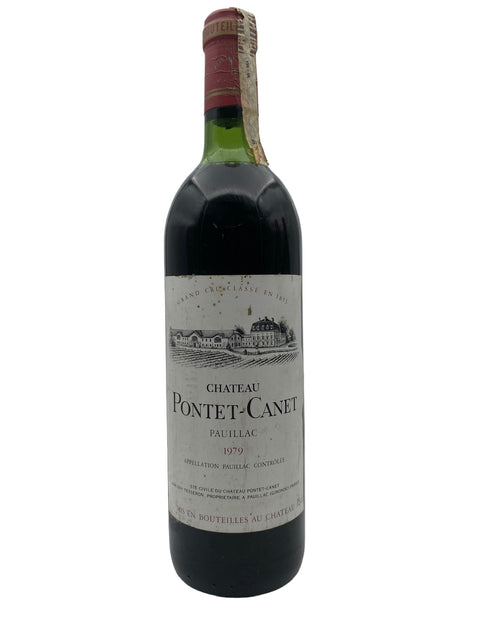
1979
Chateau Pontet-Canet 1979 Gran Cru Classé
Chateau Pontet-CanetOnly 1 left
Chablis · Burgundy · France
1990
Chablis Premier Cru La Chablisienne 1990
La ChablisienneOnly 2 left
Chablis · Burgundy · France
1991
Chablis Premier Cru SCA LC 1991
SCA LCOnly 4 left
Chablis · Burgundy · France
1983
Chablis Corine Pédauque 1983 1 cru
Caves de la Reine PédauqueOnly 2 left
Chablis · Burgundy · France
1983
Chablis Premier Cru 1983 Les Vaudevey
Henri LarocheOnly 2 left
Auxey-Duresses · Burgundy · France
1995
Auxey-Duresses Ropiteau 1995 1er Cru Les Duresses
RopiteauOnly 2 left
Meursault · Burgundy · France
2005
Poruzots Meursault 1er Cru 2005
Domaine François et Antoine JOBARDOnly 1 left
Moulis-en-Médoc · Bordeaux · France
1981
Moulis-en-Médoc Cru Grand Bourgeois Château Chasse-Spleen 1981
Château Chasse-SpleenOnly 2 left
Saint Émilion · Bordeaux · France
1988
Saint Émilion Grand Cru Château la Fleur Bonnet 1988
Château la Fleur BonnetOnly 1 left
Haut Médoc · Bordeaux · France
2010
Château Troupian Haut Médoc Société Fermière des Grands Crus de France 2010
Société Fermière des Grands Crus de FranceOnly 1 left
Savigny-lès-Beaune · Burgundy · France
1997
Les Peuillets Savigny-lès-Beaune 1er Cru 1997
Champy Père & CieOnly 1 left
Meursault · Burgundy · France
1992
Perrières Meursault 1er Cru 1992
Chanson Père & FilsOnly 1 left
Savigny-lès-Beaune · Burgundy · France
1997
Les Serpentières Savigny-lès-Beaune 1er Cru 1997
Maurice Ecard et FilsOnly 1 left

What does the term cru wine mean?

The term cru wine has its roots in the French word for "to grow" and is used in the world of wine to designate areas where the quality of the grapes is recognized as something special. It is very much about terroir - the interaction between soil, climate, sun and location - which gives the wine its unique personality. When a wine carries this title, it tells you that it comes from a place that has historically proven its ability to deliver high quality.

The meaning can change slightly depending on the region. In Burgundy it often refers to specific vineyards or parcels, while in Bordeaux it typically classifies entire wine estates based on their historical reputation. Looking towards Champagne and Alsace it can cover villages or specific fields. Regardless of where the wine comes from, the term serves as a guide to finding a tasting experience where the geographical conditions have created the foundation for something out of the ordinary.

Understanding the hierarchy within cru wine

To navigate the world of fine wines, it’s helpful to know the classifications that divide wines into quality levels. These systems are often based on centuries of experience in identifying which vineyards produce the best grapes. While the rules vary between Burgundy, Bordeaux, and Champagne, you’ll most often come across Premier Cru and Grand Cru when describing a wine’s potential and rarity.

Premier Cru

Premier Cru, often abbreviated 1er Cru, is a high level of quality that typically ranks just below the top of the hierarchy. Wines with this designation come from vineyards or villages that are recognized for their excellent terroir. In Burgundy, these vineyards make up a small portion of production and are known to yield wines with more intensity and aging potential than ordinary commune wines.

Historically, the title is given to areas of consistently high quality – on the old Champagne price scales it corresponded to a level of 90-99%. While they do not quite reach the same rarity as the top level, Premier Cru are still exceptional wines where a skilled producer can elevate the experience considerably.

Grand Cru

Grand Cru means "great growth" and is the top of the pyramid. The title is reserved for the very best fields or communes where nature provides optimal conditions for winegrowing. In Burgundy and Alsace it is about specific plots with special soil, while in Champagne it covers the villages that have historically supplied grapes at 100% of the quality scale.

Wines with Grand Cru status must meet strict production regulations and come from very limited areas, making them sought after by collectors. They are known for their ability to develop over many years, achieving a depth, structure and complexity rarely found elsewhere.

Benefits of a mature cru wine

When a quality wine is allowed to mature for 20 to 60 years, a series of chemical processes occur in the bottle that transform the original fruit into a deeper and more nuanced experience. At Bottles With History, we focus on these mature vintages, where the wine has shed its youthful aggressiveness in favor of elegance and balance. Below are the benefits of choosing a wine with age.

  • Development of tertiary aromas: The fresh fruit is gradually replaced by complex notes such as dried fruit, leather, tobacco, forest floor and mushrooms, giving a richer scent profile.
  • Softer tannins: In red wines, the tannic acid will settle over time, making the wine silky smooth and pleasant to drink without the dryness that young wines can have.
  • Harmonious balance: Acidity, alcohol and flavor notes integrate better over time, so the wine appears as a unified, rounded unit.
  • Unique texture: Mature wines, especially whites, can develop a more creamy or oily mouthfeel, as well as notes of honey and nuts.
  • Historical flair: In addition to the taste, an old bottle provides an emotional experience by representing a specific year and a bygone era.

How to choose the right bottle

Choosing the right bottle of historic wine requires looking at more than just the name on the label. The quality of a mature wine is determined by the interplay between natural conditions and human intervention over decades. Here is a guide to the most important parameters you should consider when finding a wine that suits your needs.

  1. Producer Reputation: The name behind the wine is often more important than the classification itself. A skilled producer can create magic in a lesser-known vineyard, while a weak producer can underperform in a famous vineyard. Check the producer’s historical stability and reputation.
  2. Importance of vintage: The weather of the harvest year is crucial to the aging potential. Warm years typically produce fuller wines, while cool years can produce higher acidity and elegance. Check if the vintage is known for producing wines that last for many years.
  3. Terroir and origin: Consider the type of soil and climate you prefer. Wines from limestone can be mineral and tight, while wines from clay soils are often more powerful. The origin defines the basic character of the wine.
  4. Storage history: For old wines, provenance is crucial. The wine must have been stored cool, dark, and stable to maintain its quality. Be sure to buy from a source that guarantees proper handling over the years.

Safety and delivery at Bottles With History

When buying unique vintage wines, trust and proper handling are essential for a great experience. At Bottles With History, we ensure that all bottles are stored in optimal conditions with the correct temperature and humidity until they are shipped to you. We know that old wines require gentle handling, which is why we always pack your bottles in special packaging that protects against shocks and temperature fluctuations during transport.

We offer same-day delivery, so you can receive your order quickly and safely. Our high customer satisfaction reflects our dedication to both product quality and service. If you have questions about a specific bottle or its condition, we are always ready to provide advice based on our expertise in historical wines.

What characterizes a cru wine?

A cru wine comes from a recognized, defined growing area with documented quality. Classification and meaning vary by region: in Burgundy, Grand Cru and Premier Cru are specific vineyards; in Bordeaux, the rank applies to chateaux; in Champagne, to villages. The keyword is terroir.

Which classification level best suits my taste and occasion?

Choose Grand Cru when you want maximum concentration, depth and long aging. Choose Premier Cru for excellent quality, often more accessible style and strong food-friendliness. Put producer, vintage and your taste preference above the label—a top Premier can outperform a weak Grand.

How do you ensure the condition and provenance of older bottles?

At Bottles With History, the bottles are stored under optimal conditions, and we clearly describe the condition, level and label. Most cru wines are 20–60 years old. If you have any questions, contact us at info@bottleswithhistory.dk or +45 50 99 36 19 for further documentation.