


Valkoviini
298 tuotteita


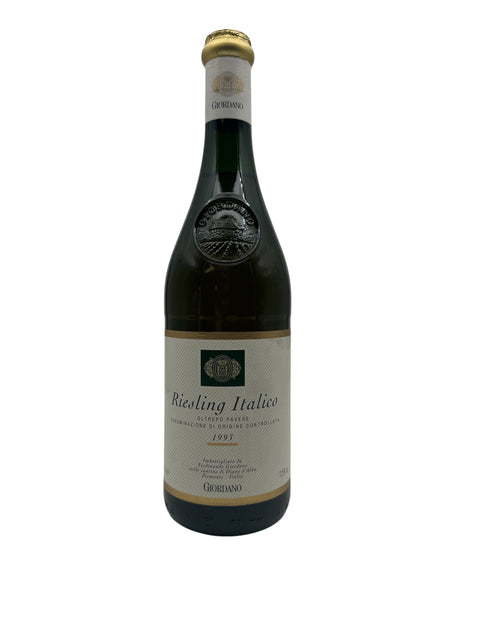


Valkoviinin terroir: Ilmaston ja maaperän merkitys maun kannalta
Valkoviinin makuun vaikuttaa pitkälti terroir, josta viini on peräisin. Terroir viittaa luonnontekijöiden, kuten ilmaston ja maaperän olosuhteiden, yhdistelmään, joka vaikuttaa rypäleiden kehitykseen. Lopputuloksena on viinejä, joilla on erilaisia vivahteita ja tekstuureja. Esimerkiksi viileämmistä ilmastoista peräisin olevissa viineissä, kuten Burgundiassa, on usein enemmän happamuutta ja tuoreita sitrushedelmiä. Tämä eroaa lämpimiltä alueilta, kuten Kaliforniasta, peräisin olevista valkoviineistä, jotka ovat tyypillisesti runsaampia kivihedelmien aromeilla. Terroirin ymmärtäminen voi valita viinin, joka täydentää makumieltymyksiä ja ruokavalintoja. Terroir lisää viiniin maun lisäksi aitoa alkuperän ja historian tunnetta.
Ilmasto on keskeinen rypäleiden kypsymistä säätelevä tekijä, kun taas maaperän koostumus, kuten kalkkikive tai hiekka, tuo mukanaan ainutlaatuisia mineraalisia vivahteita. Myös maiseman topografia ja auringonvalo vaikuttavat rypäleiden kasvuun. Myös paikalliset sääilmiöt voivat vaikuttaa mikroilmastoon ja sitä kautta viinin makusävyihin. Jokainen valkoviinipullo kertoo siis tarinan alkuperästään, mikä tarjoaa aidon ja rikkaan makuelämyksen.
Tämä näkemys terroirista auttaa valitsemaan oikean valkoviinin, joka heijastaa rypälelajikkeen ja alueen ainutlaatuisia ominaisuuksia. Voit esimerkiksi arvostaa tyylikkäitä viileitä Loiren viinejä tai Kalifornian trooppisia viinejä. Bottles With History haluaa jakaa tämän tiedon viinin ystävien kanssa, jotta he voivat kokea maailman monipuoliset viini-ilmaisut.
Sulfiitit valkoviinissä: mitä ne tarkoittavat terveydelle?
Monet kuluttajat ovat huolissaan viinin sulfiteista ja niiden terveysvaikutuksista. Sulfiitteja on lisätty viinin säilyttämiseksi ja haitallisen käymisen estämiseksi. Useimmat ihmiset sietävät sulfiitteja ilman ongelmia, mutta ihmiset, joilla on sulfiittiherkkyys, voivat kokea reaktioita. Oireet voivat vaihdella lievästä epämukavuudesta vakaviin reaktioihin, kuten hengitysvaikeuksiin. On kuitenkin tärkeää huomata, että sulfiittiallergiat ovat harvinaisia.
Muut viinin elementit, kuten hiiva tai rypäleen proteiinit, voivat myös laukaista allergisia reaktioita. Jos olet huolissasi sulfiittiherkkyydestä, on suositeltavaa hakea lääkärin apua. Tarkista tarra sulfiittien varalta, jos haluat. Bottles With History tarjoaa viinejä, jotka huomioivat myös terveydelliset mieltymykset, joten jokainen voi huoletta nauttia lasillisen hyvää valkoviiniä.
Vinkkejä valkoviinin oikeaan säilytykseen
Oikea säilytys varmistaa, että valkoviini säilyttää makunsa ja laatunsa. Ihanteellinen lämpötila on 7–13 °C, ja viini tulee säilyttää pimeässä, jotta se suojaa makua vahingoittavilta UV-säteiltä. Viinikellari tai jäähdytin sopii parhaiten pidempään säilytykseen.
Pullojen on oltava vinossa, jotta korkki pysyy kosteana ja estetään hapettumista. Vältä tärinää ja lämpötilan muutoksia, koska ne voivat vaikuttaa rakenteeseen. Aloitetut pullot tulee sulkea uudelleen ja säilyttää jääkaapissa, jotta viinin tuoreus säilyy pidempään. Nämä menetelmät varmistavat, että Bottles With Historyn viinit tarjoavat optimaalisen makuelämyksen.
Valkoviinirypäleen valinta: Mikä sopii makuun?
Valkoviinien valinta voi olla vaikeaa, koska rypälelajikkeita on laaja valikoima, joista jokaisella on ainutlaatuinen makuprofiili. Chardonnay on monipuolinen ja tarjoaa makuja tuoreista sitrushedelmistä täyteen trooppiseen. Sauvignon Blanc on aromaattinen, ja siinä on yrttejä ja vihreitä omenia. Riesling on pehmeämpää, usein makeaa ja hapokasta. Lisäksi voi ruusuviiniä tarjoaa virkistävän elämyksen kesähelteellä.
Pinot Grigio tarjoaa tuoreita viinejä Italiassa ja täyteläisempiä viinejä Ranskassa. Gewürztraminer on ihanteellinen mausteiseen ruokaan mausteisten aromiensa ansiosta. Bottles With Historyssa arvostamme jokaisen rypäleen ainutlaatuisia ominaisuuksia ja ohjaamme asiakkaita oikean valinnan tekemiseen.
Valkoviinin hinnoittelu: mikä vaikuttaa arvoon?
Useat tekijät määräävät valkoviinin hinnan, mukaan lukien rypälelajike, maantiede ja tuotantotekniikat. Suositut alueet, kuten Burgundy ja Napa Valley, voivat tarkoittaa korkeampia hintoja. Vuosikerta ja tuotantomenetelmät, kuten tynnyrikypsytys, lisäävät arvoa luomalla monimutkaisempia viinejä. Lisäksi voit harkita erinomainen punaviini tai Italialainen viini saada laajempi viinikokemus.
Bottles With History varmistaa, että ymmärrät ja arvostat kunkin viinin todellista arvoa ohjatun tiedon avulla.
Kestävyys viinintuotannossa
Kestävyys on kasvava prioriteetti viinintuotannossa. Luomuviljelyssä vältetään kemikaaleja ja edistetään maaperän terveyttä. Myös työtunnit ja hiilidioksidipäästöjen vähentäminen ovat tärkeitä tekijöitä. Bottles With Historyssa asetamme kestävän kehityksen standardit ja varmistamme, että jokainen viinikokemus edistää planeetan hyvinvointia.
Käymistekniikoiden vaikutus valkoviinin makuun
Käyminen on ratkaisevan tärkeää viinin makuprofiilin kannalta. Kylmäkäyminen tuottaa tuoreita, kevyitä viinejä, kun taas tynnyrikäyminen tarjoaa luonnetta vaniljan tai pähkinöiden vivahteilla. Fumé Blanc saa kermaisen koostumuksen tällä menetelmällä. Käymistekniikoiden tuntemus auttaa arvostamaan viinin laatua ja tyyliä.
Bottles With History -sovelluksella saat käsityksen näistä tekniikoista ja teet siten parhaat valinnat jokaisen viiniostoksen yhteydessä.
Kuinka valitsen parhaan valkoviinin ruoanlaittoon?
Kun valitset valkoviiniä ruoanlaittoon, ota huomioon viinin happamuus ja makuprofiili. Kevyet, kuivat valkoviinit, kuten Sauvignon Blanc tai Chardonnay, ovat usein hyvä valinta, koska ne lisäävät herkkää makua dominoimatta ruokaa. Bottles With History tarjoaa laajan valikoiman viinejä, mukaan lukien vanhemmat vuosikerrat, jotka voivat lisätä kulinaarisiin luomuksiisi ainutlaatuista syvyyttä. Toimituksemme on yksinkertainen ja nopea, joten voit valmistaa viinisi seuraavaa illallisprojektiasi varten.
Mikä on paras tapa säilyttää valkoviiniä?
Maun säilyttämiseksi valkoviini tulee säilyttää viileässä, mieluiten 7-12 celsiusasteessa, suojassa suoralta auringonvalolta. On myös tärkeää pitää pullo makuuasennossa, jotta tulppa pysyy kosteana ja tiukkana. Bottles With Historyssa säilytämme viinimme optimaalisissa olosuhteissa, joten voit olla varma, että saat pullon erinomaisessa kunnossa. Tämä on erityisen tärkeää vuosikertaviineillemme, jotka vaativat erityistä huolellisuutta säilyttääkseen ainutlaatuisuutensa.
Millaiset valkoviinit sopivat hyvin siipikarjan kanssa?
Siipikarjaa tarjottaessa valkoviini, kuten Chardonnay tai Riesling, voi täydentää ruokaa kauniisti valmistustavasta riippuen. Grillatulle tai paistetulle siipikarjalle voi sopia täyteläisempi valkoviini, kun taas kevyempi viini sopii mausteisiin tai paistettuihin lajikkeisiin. Minkä valinnan teetkin, Bottles With History tarjoaa valikoiman viinejä makuprofiilisi mukaan. Vieraile myymälässämme tai verkkokaupassamme löytääksesi inspiraatiota seuraavaan illalliseen.
Onko olemassa valkoviiniä, joka sopii hyvin merenelävien kanssa?
Mereneläviä tarjoiltaessa valkoviini, kuten Sauvignon Blanc tai Muscadet, voi todella tuoda herkät maut esiin. Nämä viinit tunnetaan tuoreudesta ja kyvystään täydentää meren aarretta. Bottles With Historysta löydät historiallisia viinejä, jotka tuovat kalastuskokemukseesi lisää monimutkaisuutta. Kokeile jotakin vanhemmista pulloistamme saadaksesi unohtumattoman makuelämyksen.
Kuinka voin erottaa kuivan ja makean valkoviinin?
Voit tehdä eron kuivan ja makean valkoviinin välillä etsimällä etiketistä alkoholiprosenttia ja jäännössokeripitoisuutta. Kuivissa valkoviineissä on yleensä korkeampi alkoholiprosentti ja pienempi sokeripitoisuus. Jos olet epävarma, voit aina kysyä asiantuntijalta tai käydä erikoisliikkeessä, kuten Bottles With History, jossa henkilökuntamme on valmiina opastamaan sinut makuusi ja tilaisuuteesi sopivaan viiniin.


